2015-2016 ABRSM Piano Exam Grade 4
List A
1. Hummel Tempo di Menuetto: No. 3 from Six pièces très faciles, Op. 52
2. Kirnberger La lutine (The Mischievous Sprite) (observing 1st repeat)
3. Stölzel Bourrée: 3rd movt from Partita in G minor
4. J. S. Bach Invention No. 1 in C, BWV 772. J. S. Bach Two-part Inventions (ABRSM) or P. 12 from J. S. Bach Inventions
& Sinfonias (ABRSM) or No. 6 from A Keyboard Anthology, 2nd Series, Book 2 (ABRSM)
5. Haydn Allegro in F. No. 2 from Haydn 12 Easy Pieces (Universal UE 157) or Emotions (Schott ED 9045)
6. J. L. Krebs Klavierstück (Allegro) in Eb. No. 2 from Bärenreiter Sonatina Album, Vol. 1 (Bärenreiter BA 6545) or
No. 13 from Kleine leichte Clavierstücke (Simple Short Piano Pieces) (Schott ED 2425)
List B
1. Estévez Canción para dormir una muñeca (Lullaby for a Doll): No. 7 from 17 piezas infantiles
2. Rybicki Hej, znam ja łączkę (I Know of a Pleasant Meadow): from Ten nasz ogródeczek, Op. 58
3. Schumann Jägerliedchen (Huntsman’s Song): No. 7 from Album für die Jugend, Op. 68
4. Bortkiewicz Russian Peasant Girl: No. 1 from Marionettes, Op. 54 (Simrock EE 3434)
5. Czerny Exercise in Bb: No. 60 from The Young Pianist, Op. 823 (Alfred 590)
6. Fuchs Morgenlied (Morning Song), Op. 32 No. 1. Fuchs Children’s Pieces (ABRSM)
List C
1. D. C. Glover Indian Pony Race
2. Mike Cornick In the Shed (observing repeat): from Piano Repertoire, Level 2
3. Prokofiev Progulka (Promenade): No. 2 from Musiques d’enfants, Op. 65
4. Bartók Der Stampfer (Topogó; Pe loc): No. 3 from Rumänische Volkstänze (Romanian Folk Dances) (Universal UE
5802)
5. Brian Chapple Parade: No. 3 from On the Cool Side (Chester CH 59436)
6. Slavický A Czech Song (from Piano and Youth). Studio 21, 2nd Series, Vol. 3 (Universal UE 18793)
2016年3月24日星期四

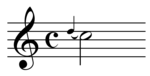 彈成這樣子
彈成這樣子 
 彈成這樣子
彈成這樣子 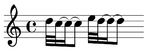
2015年9月6日星期日
Franz Joseph Haydn 法蘭茲·約瑟夫·海頓
今日講一講 著名作曲家之一 - HAYDN~
法蘭茲·約瑟夫·海頓(德語:Franz Joseph Haydn,1732年3月31日-1809年5月31日),又譯海登、海典、偕丁,奧地利作曲家。海頓是繼巴赫之後的第一位偉大的器樂作曲家,是古典主義音樂的傑出代表。被譽稱交響樂之父和弦樂四重奏之父。
海頓出生於奧地利和匈牙利邊境的一個小村莊羅勞,出身於一個貧窮的車匠家庭,27歲時受聘擔任匈牙利艾斯台爾哈奇親王的樂長,任職達30年之久,他一生寫作了104首交響曲,兩部神劇《創世記》和《四季》,同時也寫作了大量的弦樂四重奏,鋼琴奏鳴曲,以及一些歌劇、輕歌劇、12部彌撒曲和聲樂作品。
海頓的音樂幽默、明快,含有宗教式的超脫,他將奏鳴曲式從鋼琴發展到弦樂重奏上,他是器樂主調的創始人,將傳統對位法的獨立聲部完全同化了,將主題發展自行展開。後期他訪問英國,接受牛津大學授予的音樂博士頭銜,受到了韓德爾的影響,也受莫扎特的影響,產生旋律優美的抒情色彩,出現類似巴洛克的風格。他用弦樂四重奏代替鋼琴,用管弦樂代替管風琴,創造了兩種新型的和聲演奏形式。
他同莫扎特和貝多芬三人為維也納古典樂派的傑出代表,綽號為「海頓爸爸」。
奏鳴曲~SONATA!!!
2015年9月2日星期三
Classical Music
古典音樂~
Classical Music... 幾乎是所有學習鋼琴的人都會接觸到的音樂。
不像流行音樂,也不像現代的R&B。
古代學習音樂的人跟現在看五線譜的不一樣。
有一個獨特的記譜法,54321這樣的,跟簡譜也不一樣。
一般想起的都是貝多芬,莫札特,海頓的作曲家。
Classical Music... 幾乎是所有學習鋼琴的人都會接觸到的音樂。
不像流行音樂,也不像現代的R&B。
古代學習音樂的人跟現在看五線譜的不一樣。
有一個獨特的記譜法,54321這樣的,跟簡譜也不一樣。
一般想起的都是貝多芬,莫札特,海頓的作曲家。
2015年7月31日星期五
Trinitycollege - ATCL, LTCL, FTCL
ATCL(Recital)
考生只需預備一個演奏節目:ATCL的時間為32-38分鐘;除此之外,亦需撰寫一個由400字 - 700字組成的曲目簡介,於考試時交予考官。LTCL(Recital)
考生只需預備一個演奏節目:LTCL的時間為37-43分鐘;除此之外,亦需撰寫一個由800字 – 1,100字組成的曲目簡介,於考試時交予考官。FTCL (Recital)
這是文憑考試級別中最高程度的考試。考生只需預備一個由42-48分鐘演奏節目。同時考生亦需撰寫一個由1,200字 – 1,600字組成的曲目簡介,於考試時交給考官。文憑考試分為三個程度,Associate (ATCL), Licentiate (LTCL) and Fellowship (FTCL)。
2014年10月5日星期日
2015-2016 準備考試篇
不論考邊一級, 準備時間都至少一年時間, 而時間分配係一件好重要既事, 直接影響分數。
scale 最初要開始準備...
3首歌... 每一首平均3-4個月時間完成
sight-reading... 間中要做下
aural... 就唔太擔心既, 可以去到臨考前一至兩個月內完成
時間唔太多...
考試經常有家長問起...
又成日有人以為考試好簡單... 忽略左要準備一年呢樣野
例如個學生今年年中先升1級, 家長就覺得下年暑假要考到2級
情況就好似未學行先學跑咁...
情況係... 今年1級既技巧掌握得唔好, 基礎打得唔好, 會影響深遠...
所以最快係下年4-5月 或暑假先開始準備考2級... 下下年先有考2級既把握
scale 最初要開始準備...
3首歌... 每一首平均3-4個月時間完成
sight-reading... 間中要做下
aural... 就唔太擔心既, 可以去到臨考前一至兩個月內完成
時間唔太多...
考試經常有家長問起...
又成日有人以為考試好簡單... 忽略左要準備一年呢樣野
例如個學生今年年中先升1級, 家長就覺得下年暑假要考到2級
情況就好似未學行先學跑咁...
情況係... 今年1級既技巧掌握得唔好, 基礎打得唔好, 會影響深遠...
所以最快係下年4-5月 或暑假先開始準備考2級... 下下年先有考2級既把握
2014年10月1日星期三
ABRSM HK fee 2014
考試費用 | ||||||||||||||||||||||||||||||||||||||||||||||||
|---|---|---|---|---|---|---|---|---|---|---|---|---|---|---|---|---|---|---|---|---|---|---|---|---|---|---|---|---|---|---|---|---|---|---|---|---|---|---|---|---|---|---|---|---|---|---|---|---|
2014年術科、樂理考試費
| ||||||||||||||||||||||||||||||||||||||||||||||||
ABRSM 報名時間,方法
考試及報名時間表 | |||||||||||||||
|---|---|---|---|---|---|---|---|---|---|---|---|---|---|---|---|
樂理考試每年舉辦3次,分別在1月或2月、6月及10月舉行。術科考試在每年4月至5月及8月至11月中舉行。
|
2014年的考試及報名時間表如下:
樂理考試 (1-8級) | ||||
考試日期 | 郵遞報名日期 |
親身或委託他人
|
網上報名日期^
|
最後繳款日期
|
|---|---|---|---|---|
| 2月8日 |
2013年11月18日
至 2013年11月22日 | 2013年12月2日 至 2013年12月6日 | 2013年11月18日 (上午8時30分) 至 2013年12月12日 (下午5時正) | 2013年12月11日 |
| 6月21日 | 2014年3月26日 至 2014年3月31日 | 2014年4月8日 至 2014年4月12日 | 2014年3月26日 (上午8時30分) 至 2014年4月22日 (下午5時正) | 2014年4月17日 |
| 10月18日 # | 2014年7月24日 至 2014年7月30日 | 2014年8月6日 至 2014年8月13日 | 2014年7月24日 (上午8時30分) 至 2014年8月20日 (下午5時正) | 2014年8月18日 |
各級術科考試 | ||||
考試日期 | 郵遞報名日期 |
親身或委託他人
|
網上報名日期^
|
最後繳款日期
|
|---|---|---|---|---|
| 4/5月 |
2013年12月16日
至 2013年12月20日 | 2014年1月3日 至 2014年1月7日 | 2013年12月16日 (上午8時30分) 至 2014年1月14日 (下午5時正) | 2014年1月13日 |
| 8至11月中 | 2014年3月3日 至 2014年3月7日 | 2014年3月19日 至 2014年3月25日 | 2014年3月3日 (上午8時30分) 至 2014年4月9日 (下午5時正) | 2014年4月1日 |
| ^ | 考生不能在網上報考文憑或合奏考試。考試代用券不適用於網上報名。 |
| * | 申請人於親身或委託他人遞交報名表時所遞交之有關文件必須是正本或影印本,任何軟複本恕不接納。 |
| # | 考試將於2014年10月18日下午分兩個時段舉行 (第一節:下午1時;第二節:下午4時)。考生只須在其中一個時段內應考,考試時段將由電腦隨機編派給各考生,考生必須遵照准考證上的指定時間及試場前往應考,本局將不會為個別考生作特別安排。 |
報名地點 | 報名時間 |
|---|---|
| 香港考試及評核局 國際及專業考試部 九龍新蒲崗爵祿街17號 (電話:(852) 3628 8721 / (852) 3628 8787) | 星期一至星期六 (星期日及公眾假期休息) 樂理考試:上午9時至下午5時正 術科考試:上午9時至下午5時正 |
2014年9月23日星期二
2015-2016 ABRSM Piano Grade 2 Pieces
2015-2016 ABRSM Piano Grade 2 Pieces A, B, C
LIST A
1 Handel Impertinence, HWV 494
2 Schale Minuet in C Piano Exam Pieces 2015 & 2016,
3 Vanhal Cantabile: 1st movt from Sonatina No. 4 in G, W.XIII:125 (turns optional)
4 J. Clarke A Trumpet Minuet. No. 3 from A Keyboard Anthology, 1st Series, Book 1 (ABRSM)
5 L. Mozart Allegro in D. Studio 21 (1st Series), Vol. 1 (Universal UE 17954)
6 Mozart The Bird-catcher’s Song (from The Magic Flute), arr. Bullard. Pianoworks: A Night at the Theatre (OUP)
LIST B
1 J. Ferrer Sérénade espagnole (Spanish Serenade), Op. 34, arr. Waterman and Harewood
2 Vitalij Neugasimov Lullaby: from Pianoheads Collection 2 Piano Exam Pieces 2015 &
3 Schumann Gukkuk im Versteck (Hide-and-Seek): from Album für die Jugend, Op. 68
4 Fly Hot Rolls: No. 8 from The Windmill (Forsyth)
5 Lysenko Raindrops. No. 5 from Splash! (Breitkopf & Härtel EB 8796)
6 Nicolai Podgornov The Little Flower: from Nicolai Podgornov’s Graded Pieces for Piano, Vol. 1 (Universal UE 34551)
LIST C
1 Johnny Mercer I’m an Old Cowhand, arr. Iles
2 B. Hummel Prelude: No. 1 from 10 Klavierstücke für Kinder, Op. 56b (observing repeat) Piano Exam Pieces 2015 &
3 Kaneda Gachou no Koushin (March of the Geese)
4 Carol Barratt Lazy River: from Get It Together! (Chester CH 77594). Also available in Chester’s Easiest Jazz (Chester
CH 61273)
5 Gar´scia Twisters: from Miniatures for Piano, Op. 5 (PWM 7490)
6 Heather Hammond On the Ball: from Cool Piano Sport, Grade 1–2 (Kevin Mayhew)
LIST A
1 Handel Impertinence, HWV 494
2 Schale Minuet in C Piano Exam Pieces 2015 & 2016,
3 Vanhal Cantabile: 1st movt from Sonatina No. 4 in G, W.XIII:125 (turns optional)
4 J. Clarke A Trumpet Minuet. No. 3 from A Keyboard Anthology, 1st Series, Book 1 (ABRSM)
5 L. Mozart Allegro in D. Studio 21 (1st Series), Vol. 1 (Universal UE 17954)
6 Mozart The Bird-catcher’s Song (from The Magic Flute), arr. Bullard. Pianoworks: A Night at the Theatre (OUP)
LIST B
1 J. Ferrer Sérénade espagnole (Spanish Serenade), Op. 34, arr. Waterman and Harewood
2 Vitalij Neugasimov Lullaby: from Pianoheads Collection 2 Piano Exam Pieces 2015 &
3 Schumann Gukkuk im Versteck (Hide-and-Seek): from Album für die Jugend, Op. 68
4 Fly Hot Rolls: No. 8 from The Windmill (Forsyth)
5 Lysenko Raindrops. No. 5 from Splash! (Breitkopf & Härtel EB 8796)
6 Nicolai Podgornov The Little Flower: from Nicolai Podgornov’s Graded Pieces for Piano, Vol. 1 (Universal UE 34551)
LIST C
1 Johnny Mercer I’m an Old Cowhand, arr. Iles
2 B. Hummel Prelude: No. 1 from 10 Klavierstücke für Kinder, Op. 56b (observing repeat) Piano Exam Pieces 2015 &
3 Kaneda Gachou no Koushin (March of the Geese)
4 Carol Barratt Lazy River: from Get It Together! (Chester CH 77594). Also available in Chester’s Easiest Jazz (Chester
CH 61273)
5 Gar´scia Twisters: from Miniatures for Piano, Op. 5 (PWM 7490)
6 Heather Hammond On the Ball: from Cool Piano Sport, Grade 1–2 (Kevin Mayhew)
2015-2016 ABRSM Piano Grade 1 pieces
2015-2016 ABRSM Piano Grade 1 pieces A, B, C
THREE PIECES: one chosen by the candidate from each of the three Lists, A, B and C:
LIST A
1 Clementi Arietta: Lesson 5 from Op. 42
2 Haydn Minuet in G: No. 2 from 12 Minuets, Hob. IX:3 Piano Exam Pieces 2015 & 2016, Grade 1 (ABRSM)
3 Trad. English The Lincolnshire Poacher, arr. Davies
4 Blow Hornpipe. Keynotes, Grades 1–2 (Faber)
5 L. Mozart Menuett in G. No. 4 from L. Mozart Notebook for Nannerl (Schott ED 9006)
6 Neefe Allegretto in C. No. 2 from Clavierstücke für Anfänger (Piano Pieces for Beginners) (Schott ED 2572)
LIST B
1 Gurlitt Das Schaukelpferd (The Rocking Horse): from Technik und Melodie,
Op. 228, Vol. 1 Piano Exam Pieces 2015 & 2016,
2 Knut Nystedt Løvet faller (Falling Leaves): from Barnebilder Grade 1 (ABRSM)
3 Trad. Catalan El cant dels ocells (The Song of the Birds), arr. Marshall
4 Gedike Heiteres Lied (Cheerful Song): No. 31 from 60 Easy Piano Pieces for Beginners, Op. 36, Vol. 2 (Peters EP
4702b)
5 Lajos Papp Waltz: No. 5 from 22 Little Piano Pieces (Editio Musica Budapest Z.13216)
6 Ponchielli Dance of the Hours (from La Gioconda), arr. Bullard. Pianoworks: A Night at the Theatre (OUP)
LIST C
1 Stephen Clarke The Giant’s Coming
2 Stephen Duro Calypso Joe: No. 9 from Finger Jogging Boogie Piano Exam Pieces 2015 & 2016, Grade 1
3 Eben Na krmítku (Bird at the Feeding Box): No. 19 from Svˇet malých(ABRSM)
4 Bartók Children at Play: No. 1 from For Children, Vol. 1 (Boosey & Hawkes)
5 Ornstein My, what a din the cuckoos are making! Keynotes, Grades 1–2 (Faber)
6 Kevin Wooding The House on the Hill. Spooky Piano Time (OUP)
2014年9月14日星期日
ABRSM Grade 3 2015-2016 pieces sharing
2015-2016
There are 3 pieces in ABRSM Grade 3.
I would like to share one of the pieces in Group A.
It is Clementi Allegro: 1st movement from Sonatina in C, Op.36 No.1
For a candidate who attempt grade 3, it is quite difficult to choose this pieces.
The tempo is quite fast for them.
http://www.free-scores.com/PDF_EN/clementi-muzio-sonatina-1-299.pdf
It is the full movement of the pieces. The candidates are only play 1st movement.
ENJOY!!
In fact, it is quite amazing to play it. :)
There are 3 pieces in ABRSM Grade 3.
I would like to share one of the pieces in Group A.
It is Clementi Allegro: 1st movement from Sonatina in C, Op.36 No.1
For a candidate who attempt grade 3, it is quite difficult to choose this pieces.
The tempo is quite fast for them.
http://www.free-scores.com/PDF_EN/clementi-muzio-sonatina-1-299.pdf
It is the full movement of the pieces. The candidates are only play 1st movement.
ENJOY!!
In fact, it is quite amazing to play it. :)
2014年9月13日星期六
Elements of piano exam
Elements of the exam
All ABRSM graded Piano exams comprise the following elements: three Pieces; Scales and
arpeggios/broken chords; Sight-reading; and Aural tests.
In all grades, marks are allocated as follows:
Pieces: 1 30
2 30
3 30
Scales and arpeggios/broken chords 21
Sight-reading 21
Aural tests 18
Total 150
All ABRSM graded Piano exams comprise the following elements: three Pieces; Scales and
arpeggios/broken chords; Sight-reading; and Aural tests.
In all grades, marks are allocated as follows:
Pieces: 1 30
2 30
3 30
Scales and arpeggios/broken chords 21
Sight-reading 21
Aural tests 18
Total 150
2015 -2016 ABRSM Piano exam
ABRSM has released new syllabus of the exam.
Piano exams consist of three pieces, chosen by the candidate from the appropriate lists in the current syllabus, scales and arpeggios, sight-reading and aural tests.
Total marks in all individual Practical exams are 150. 100 marks are required to achieve Pass, 120 marks to pass with Merit and 130 marks to pass with Distinction.
There are eight grades of assessment. Select a grade using the links below in order to view the syllabus and supporting materials for that grade.
2013年11月24日星期日
How to Improve Your Piano Playing Skills 1-9
How to Improve Your Piano Playing Skills
Starting to learn piano but finding it hard to improve? Been taking piano lessons for some time now but feeling no progress? Or maybe you have some piano experience but you need to improve your playing skills?
In this article, we'll be showing you how to improve your current piano skills. The article takes into account people who learned playing by ear, using instructional materials such as books and DVDs, or using lessons from a professional teacher. So, if you feel that a certain step has already been accomplished, go ahead and skip it to the next step. Dive in and enjoy!
1. Manage your learning and practice time.
Dedicate a time slot to sessions or training and be committed about it. Try not to allow anything to deter you from yourpractice. Commitment to practice is crucial to improving your abilities.
- Use schedules if your time is so full that you cannot dedicate the same time slot periodically.
- Use reminders on any device you usually carry with you to remind you of your sessions.
2. Plan your practice.
Although this is not necessary later, at first, when you're learning new things, it's important to know what you should be learning in the next few sessions so as to be able to measure your progress. This is supposed to help you keep track of your knowledge and skills progress, not be a tool to disappoint you if you didn't make the progress you hoped for in the time you expected. If you feel some particular concept took a really long time to master, don't worry. The important thing is that, in the end, you do master it.
Many of the steps and tips to follow will either depend on, or greatly benefit from a proficiency in reading musical notation (sheet music). You can do this as follows:
- Learn to read piano music if you haven't already done so. Make sure you understand most of the concepts of musical notation. If you want to improve your overall piano playing, you'll need to learn about more advanced musical notations such as dynamics, tempo, key and time signatures, clefs, etc. Knowing only how to read the notes themselves and their intervals won't be enough.
- Learn to sight-read piano music. This will improve your ability to translate what you see and understand on the musical sheet into beautiful piano tunes.
4. Improve your finger placement and speed on the piano keys:
- Learn some finger stretching exercises to use before you start playing.
- Learn proper piano finger placement if you haven't already done so. Placing your fingers correctly on the piano keys is crucial to developing more advanced abilities.
5. Practice the different scales using proper finger placement.
Start by practicing going up the scale, then down, then up and down. Do each one at least five times using proper finger placement when practicing a certain scale.
- Try to practice two or three scales before each session. Do this whether a "session" is a lesson with a teacher, or some free time slot you assigned to learning and practicing the piano.
- Try to practice using sheet music that contains finger numbering on them, especially at first. This way you can be sure that you are playing correctly.
- Practice with increasing speed. Set your metronome on a slower speed and when you have mastered one speed move it up to a faster speed. This will develop muscle memory. When learning a new song, or a new scale, start by playing it slowly but obeying the timing of the piece. Then, start speeding up, keeping proper time intervals between the notes. For example, if practicing a simple C Major scale, you'll start by playing each note (C, D, E, F, G, A, B) as a whole beat. Then start playing each note for half a beat (not leaving the other half beat as a rest), then quarter, and so on. Once you made a mistake, start all over again. Practice this for half an hour a day until you feel you can do it without making any mistake.
- Practice proper chords finger placement. You can find many resources on the internet detailing proper fingering for each chord. Sometimes you'll find more than one optimal finger placement; this is a matter of preference, so follow whichever makes you more comfortable while playing (especially while progressing from one chord to the next).
6. Memorize and practice musical scales, especially the most prominent ones.
Learn all the Major, harmonic minor, melodic minor and chromatic scales. Master the scales and practice them. Also, if you're playing a specific style (such as blues, jazz, etc.), learn the scales of that style.
7. Memorize and practice chords.
Chords are multiple notes played together at the same time (on the piano, pressing multiple keys simultaneously).
- Begin by learning the most prominent chords.
- Learn the different inversions of a chord. Try to learn when and in what progression each inversion is used.
- Practice chords by playing progressions. Start with simple ones such as the C-F-G progression. Once you've mastered those, go to more complicated ones.
8. Improve your musical aptitude (commonly called musical ear) by practicing listening to musical pieces and trying to infer their notes.
Do this as follows:
- Start with simple and slow songs. Try to find the notes of the song first by trial and error on the keyboard.
- Try to name the notes using only your ear after that, and writing them down.
- After you've finished a section, try playing the notes you've written down, see how close you were.
- You might create some grading system and try to test yourself. Don't worry if you get only few notes at first. Just learn from the mistakes you make. Bit by bit, you'll some day be able to write down the whole song with great accuracy.
9. Improve your musical "mind playing".
Mind playing is when you play a song or a piece of music in your mind. This can be done as follows:
- Look at a sheet music and try to play it in your mind. At first, you'll find difficulty doing so, so play it tone by tone. At the very beginning, you might use some sort ofrecording device and read the notes by humming and recording. With progress, you'll start recording larger chunks of the sheet before pausing to read the next chunk. Then you'll be able to sight read whole passages, melodies, and even pieces in your mind.
- After that, actually play the piece and see how close it was.
Reason for Learning Piano
由於香港現在普遍的家庭都開始著重物質生活及精神文化教育,其中尤其著重對年幼一代的文化教育和早期藝術教育,所以很多家庭正在設法添置鋼琴,努力為年幼一代盡早接受音樂教育,以開發兒童的智力,促進其身心得以均衡發展。
就一般而言,研究發現兒童學習彈奏鋼琴,只要學習得法並持之以恆,均可獲得以下之益處:
鋼琴 = 樂器之王
|
一般人選擇鋼琴,主要還是因為鋼琴最方便普及。當然,鋼琴有"樂器之王"之稱,不是沒有道理的。
簡單來說,鋼琴可以奠定孩子的音準,鋼琴因是事先調好音的,不論孩子天生音感好壞,都能幫助孩子的音感更準確,令嬡喜歡唱歌,彈鋼琴就比任何樂器更適合加強她的歌唱能力。
此外,鋼琴的限制也最少,不會有口型,肺活量,牙齒排列,音感好壞,手指粗細...等各種要求,比如:學習小提琴若本身音感不佳,按把位是十分困難的,這類的小朋友,通常也鼓勵先學鋼琴,養成一定程度的音感之後再學小提琴為佳。
鋼琴同時也是理解音程、音階、和聲及各種樂理,最直接又一目了然的樂器,孩子通常一個人獨奏,雙手即能擁有獨奏和和聲的效果,表演功能也最強。因此,鋼琴還是多數人入門的選擇,由鋼琴出發,再延伸至其他樂器的學習也最普遍。
|
開發及發展智力
|
兒童學習彈奏鋼琴,常須十指各自獨立靈敏活動,左右手都能得到均衡及高度獨立的訓練,使大腦左右半球的機能獲得同等的發展並增進亙相協調的關係。
此外,學習鋼琴要接觸和閱讀大量的優秀鋼琴音樂作品,通過長期的訓練和作品的熏陶,不僅可以使孩子情感豐富、情緒開朗,而且對孩子的優良心理品質、道德品質及個性特徵產生重大的影響。
無數事例証實,從幼年開始學習鋼琴的孩子,入學後,在理解能力、接受能力、想像力和創造性思維能力等方面,都顯著高於一般孩子。應該說成,這很大程度由於孩子早期接受良好的藝術教育。
|
充實精神生活
|
音樂藝術與兒童的天性最為吻合,也是年幼一代最廣泛熱愛和樂於接受的藝術。研究發現,五歲兒童可以做到十分專注地聆聽適合於他們接受的樂器,並能大致分辨不同樂器的性質﹝悲哀的、歡樂的、雄壯的等﹞。
幼兒學習彈奏鋼琴,等於打開一個新的天地,將孩子對音樂的興趣和學習結合起來。
|
擴展知識領域
|
音樂藝術是人類文化創造的偉大成果之一,也是世界現代文化的重要領域之一。
兒童學習彈奏鋼琴,無論對樂器本身、音樂構成諸要素、樂譜、世界著名音樂家及其作品都將在學習過程中遂漸有所深入了解,從而使兒童的知識領域大大拓展。
|
2013年10月24日星期四
ABRSM - for teachers
…………對教師
.檢查所有的考試課程內容摘要, 每一年 的細節都可能有一點點的不同。
.為學生選擇合適的曲子, 並確定所選的 曲目是考試內容摘要所要求的正確組合。
.在每一堂課都作一些視奏練習。將之留 到最後的時刻才準備, 對考生的信心並
沒有幫助。
.在真正的考試之前給學生舉行一次模擬 考試, 不要忘了要走進考場並坐下, 穩
定, 並開始彈。
.鼓勵學生在友善的聽眾之前作演奏(家人、親戚或朋友)。或在考試的數週前, 將你要參加考試的學生集合起來開個小型演奏會。
.對樂理的考生: 作一些考古題是一個不錯的方法。考生能因此適應考試的的試卷, 題目型式的感覺, 和時間的控制。注意每一個題目都要仔細地看清楚, 有的題目包括了不只一個部份。
.提醒學生距離考試還有多久,並在考試數週之前就開始準備。不要忘了要將假期和學校的考試計算進去, 才能避免最後時刻的恐慌。
.鼓勵學生參加各種可能的音樂活動, 在交響樂團或室內樂團中演奏; 或在合唱團中唱歌, 廣泛地聽各種音樂。安排學生一起聽一場音樂會, 尤其是其中有他們認識的作曲家的作品, 可以學生一個真正的動力。
ABRSM - Preparation
Practice make perfect!!
1 準備要點……對考生
樂曲
.依照你的教師的幫助, 挑選你真的喜愛的樂曲。在一開始的時候以很慢的速度練習。開始的時候有仔細準備, 會使得最後的表現更好。
.在經過了初步的過程之後, 你開始可以不中斷地彈出, 即使有失誤也要很快地克服並保持進行。鼓起勇氣在你的親人及朋友之前演奏, 以增強你的信心。
.要練習翻譜並將次一頁的前幾小節背起來, 這有幫助你在考試中安然度過笨拙的翻譜時刻。但無論如何, 翻譜的困難並不會被列入計分的範圍。
.你也可以在困難翻譜的地方將一頁譜影印加在原譜上。這要在事先準備好, 放在
譜架上。
.如果你是絃樂、管樂或是聲樂的考生, 你要先熟悉你的伴奏, 並要在考試之前找時間預先排演。
音階
.要每天地練習音階和琶音。要像刷牙一般地將它們排進日常的行事中! 這會幫助你建立技巧的基礎。對管樂演奏者而言, 這有幫助於呼吸; 對絃樂演奏者而言, 這有幫助於運弓, 對所有其它的樂器演奏者而言, 這有幫助於雙手的配合。
視奏
記得保持進行是及格的關鍵, 並要保持基本的律動感。即使有失誤, 也不要停下來更正它。在真的考試開始之前,考官會給你半分鐘的時間練習, 不要怕的將曲子的一切試試看。
聽力測驗
有一些在課堂之外, 可自己練習的方式:
1. 從唱片錄音或收音機中, 儘可能地多聽一些音樂。如果你可以聽現場的音樂會的話, 更好。
2. 加入一個合唱團, 樂團, 或室內樂團。
3. 從你還沒有學過的樂曲中, 拍出其中一段的節奏。
4. 跟唱部份新聽到的曲調, 可能是從收音機或電視或在唱片行或超市聽到的。
5. 從你沒看過的樂譜上將音唱出來。只唱幾個音將會很有幫助, 要保持在進行中的音程的感覺。
就整體而言的考前準備
.記得你不用作任何在考試課程摘要之外的測驗或樂曲。和你的教師討論你應由哪一個部份或哪一首曲子開始考試, 可使你覺得最有信心。
.不要到了最後關頭還在練習!
.不要忘了讓你的教師知道你將要來臨的學校旅遊日期或返校或開學日期, 才能避開這些時間的安排你的音樂考試。
.需要和伴奏一起配合的人:和你的教師討論要站和坐的位置, 使得你可以很容易
地看到伴奏, 並對"聽眾", 你的考官演奏。如果在考試當天的位置排法有問題,
考官會幫助你找到適當的位置。
訂閱:
文章 (Atom)